Weiter zur Website

What Are the Key Steps in a Medical Animation Production Pipeline?

What Are the Key Steps in a Medical Animation Production Pipeline?

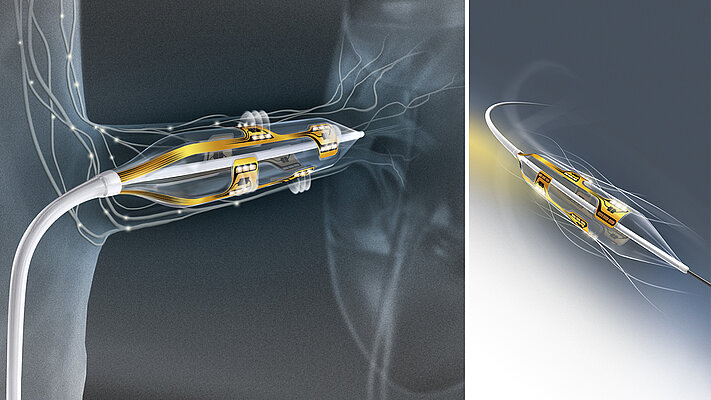
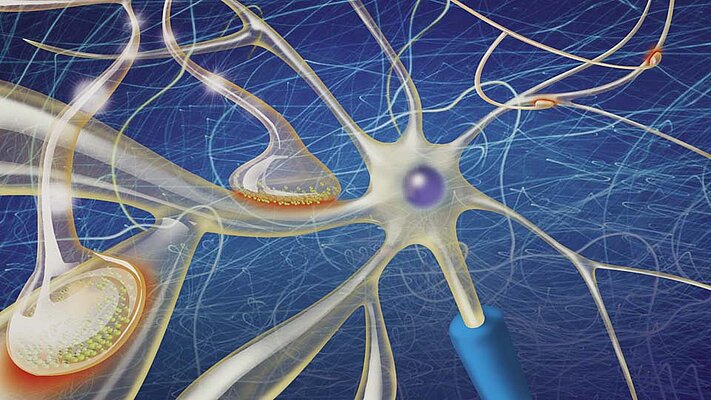
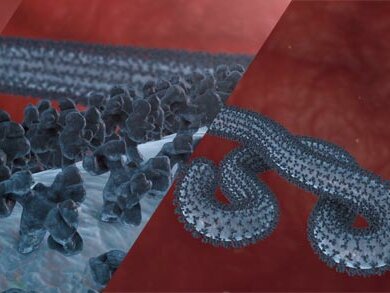
Medical animations help communicate complex healthcare topics through clear and visually engaging storytelling. Whether explaining a medical device, surgical procedure, or biological process, creating professional 3D medical animations requires a structured production pipeline that combines scientific accuracy with advanced visualization techniques.

From initial research to final rendering, every production stage contributes to building realistic and informative visual content. Below is an overview of the key steps involved in a professional medical animation workflow.

Research and Scientific Planning

Every medical animation project begins with research and concept development. Before visual production starts, animators and designers gather reference materials such as anatomical studies, medical illustrations, CAD files, procedure references, or product specifications.

At this stage, the communication goals, target audience, and scientific level of detail are clearly defined. Strong preparation helps ensure both medical accuracy and visual clarity throughout the entire production process.

Storyboarding and Visual Concept Development

Once the concept is established, the animation workflow moves into storyboarding and scene planning. This phase defines the visual structure of the animation, including camera angles, transitions, timing, and key sequences.

Storyboards help organize complex medical information into a clear visual narrative before full 3D production begins.

3D Modeling of Anatomy and Medical Devices

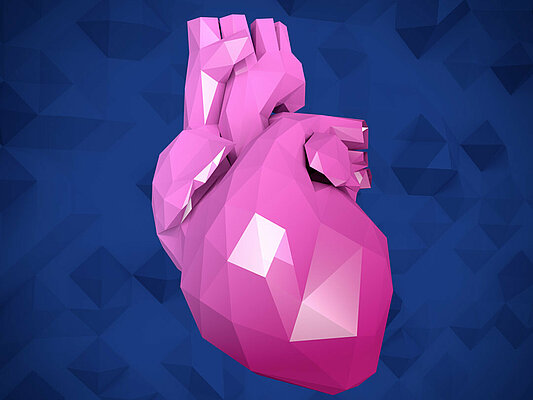
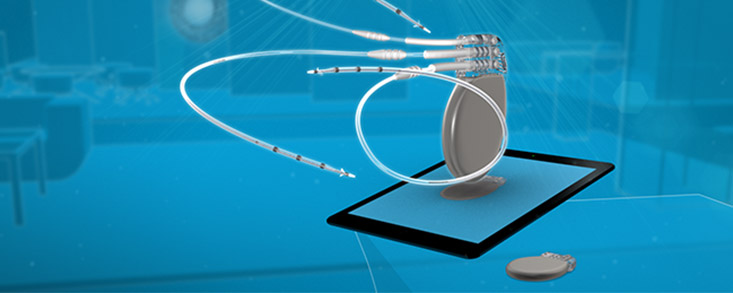
During the modeling phase, 3D artists create detailed anatomical structures, medical devices, or biological environments. Depending on the project, models may be based on scientific references, CAD data, or custom-designed assets.

Accurate proportions, clean geometry, and optimized model structures are essential for achieving realistic animation results and efficient rendering performance.

Texturing and Material Creation

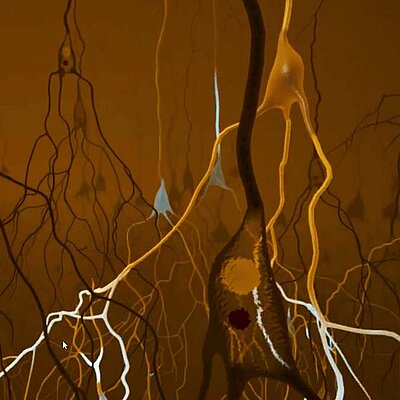
After modeling is completed, textures and materials are added to create realistic surfaces and visual depth. This process defines how tissues, vessels, organs, or medical devices react to light and appear within the scene.

Carefully designed materials help enhance realism while maintaining a clean and understandable visual style.

Lighting and Scene Composition

Lighting plays a major role in guiding viewer attention and creating spatial depth within a medical animation. Different lighting setups are used to highlight important anatomical details and improve scene readability.

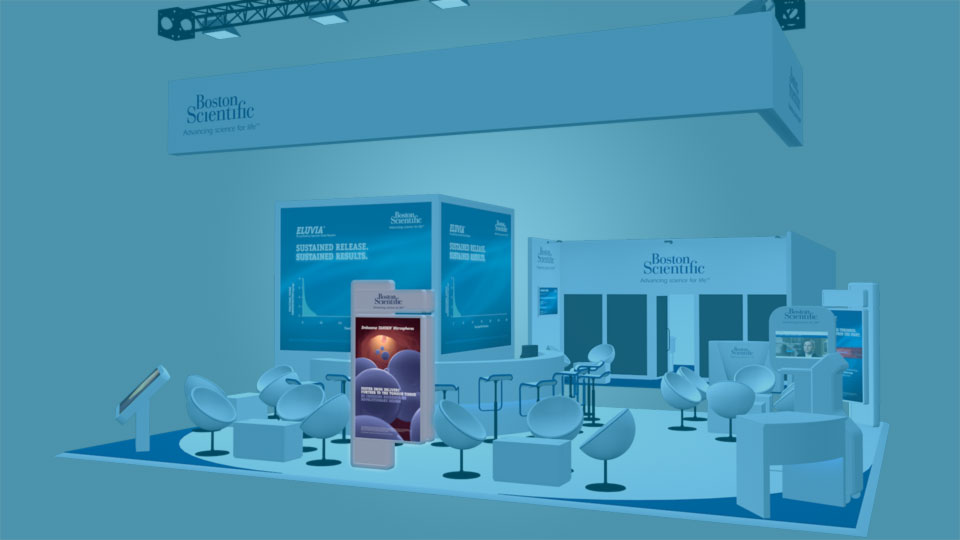
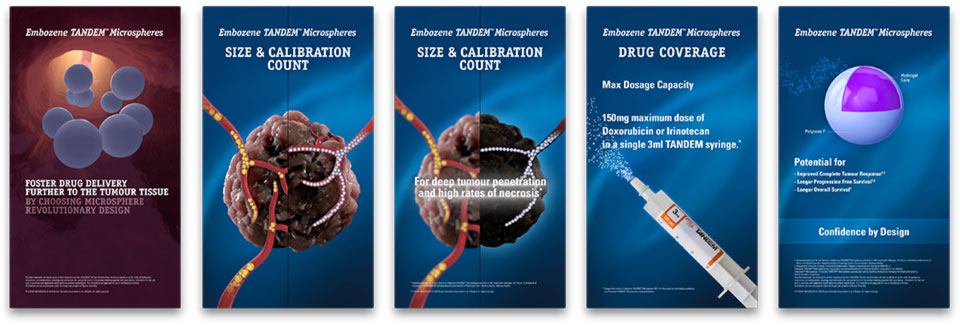
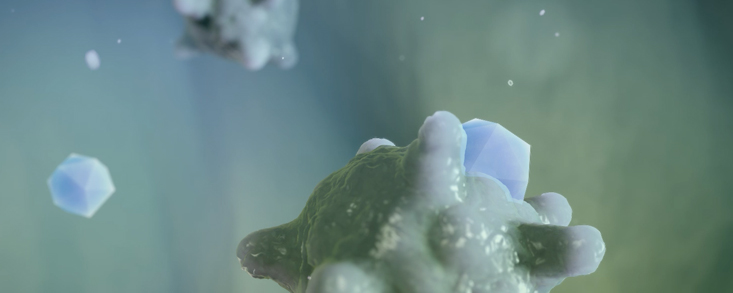
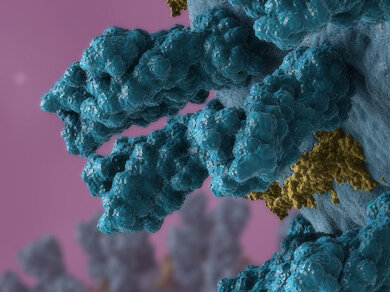
At this stage, artists also refine scene composition, camera positioning, and overall visual atmosphere. The following workflow breakdown illustrates how different production stages gradually build up a final medical animation scene.

Animation and Motion Development

Once the environment is prepared, the animation phase begins. This includes camera movements, biological processes, device deployment, fluid motion, or procedural effects depending on the project requirements.

Precise timing and smooth motion are essential for presenting medical information clearly and professionally.

Rendering the Final Animation

Rendering is one of the most technically demanding stages of the production pipeline. During this process, the raw 3D scene is transformed into high-quality final images and video sequences.

Lighting calculations, reflections, shadows, transparency, and visual effects all contribute to the final visual quality. Depending on scene complexity and resolution, rendering can require significant computing power and processing time.

Post-Production and Final Delivery

In the final stage, rendered sequences are assembled and refined during post-production. This may include editing, color correction, labels, motion graphics, sound design, or voice-over integration.

The completed animation is then optimized for its intended use, including presentations, websites, social media, trade shows, or medical education platforms.

Conclusion

A professional medical animation production pipeline combines scientific understanding, creative storytelling, and advanced 3D visualization technologies. Each production stage contributes to transforming complex healthcare information into engaging visual communication that is both informative and visually compelling.

If you are planning a custom medical animation project, medicalvision can support you throughout the entire visualization process — from concept development to final production.