Earth Overshoot Day, or Ecological Debt Day, is a date that occurs earlier each year. It's a sign that humans are consuming Earth's resources faster than they can be regenerated. Since 1961 the Global Footprint Network has tracked the data based on Earth's biocapacity relative to our ecological footprint. This year, Germany reached Earth Overshoot Day on May 2nd; globally, it is forecast for July 25th. From this date forward, the planet is at its limit, and we are living on borrowed resources. To meet our consumption needs would require 1.75 Earths.
This day highlights that our lifestyles are unsustainable and threaten to exceed our planet’s limits. The massive consumption of resources not only leads to pollution but to hunger and poverty, destruction of ecosystems, climate change, and ultimately habitat destruction. With a growing world population and increasing demands for all resources, Earth Overshoot Day happens earlier each year.
Living Sustainably for a Greener Future
We all control how many resources we consume – and we can all live more sustainably and minimize our energy consumption. By reducing our ecological footprint, we can make a significant contribution to environmental protection and bring positive change for our planet. According to WWF, halving global food waste could push Earth Overshoot Day back 11 days. And there are other approaches:
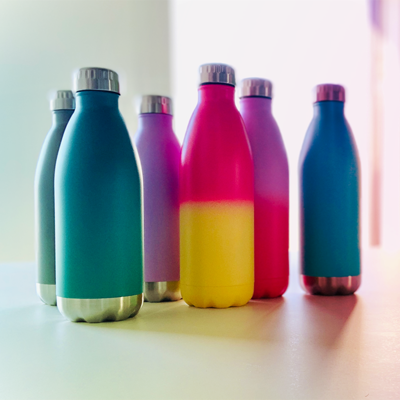
- Avoid single-use plastics. Instead try reusable alternatives like water bottles and shopping bags. Plastic waste is one of the biggest environmental burdens and has devastating effects on marine ecosystems and wildlife. By reducing single-use plastics, you reduce ocean pollution and protect habitats.
- Reducing meat consumption has significant positive effects. Industrial livestock farming is responsible for a lot of greenhouse gas emissions which significantly contribute to climate change. By adopting a predominantly plant-based diet or consciously eating sustainably produced meat, we reduce environmental strain and also reap health benefits.
- Energy-efficient devices and mindful household behavior also impact the environment. By reducing our daily energy consumption, we can reduce our CO2 footprint.
- Furthermore, using public transportation, avoiding waste, recycling, and supporting local producers have positive environmental effects.
Effective Multiple Times: A Different Consumption Behavior
Changing consumption behavior has positive effects on the environment. By purchasing regional and seasonal products as well as goods with shorter transport routes, CO2 emissions from transport and distribution can be reduced. By avoiding unnecessary and unsustainably produced products, valuable resources like water, energy, and raw materials can be saved. This also minimizes habitat destruction which is crucial for protecting animal and plant species (biodiversity) and stabilizing ecosystems.
Buying durable, high-quality products and promoting recycling and reuse help reduce waste and waste disposal. Landfills are relieved and incineration is reduced which benefits the environment.
Rethinking and ideally changing consumption behavior has far-reaching positive effects on the environment and climate – and on us. Turning to sustainable alternatives means making a contribution to environmental protection and ensuring a livable future for ourselves and future generations.
It is extremely important and not that difficult for each individual to take responsibility and reconsider their lifestyle to preserve the Earth.
Sustainable: The medicalvision swap meet
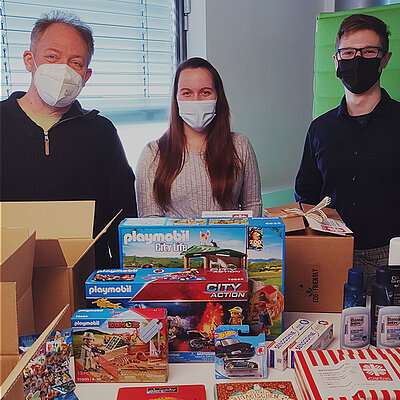
In a world where consumer society increasingly strains the environment and resources, swap meets are gaining popularity. The concept of “swapping” clothes, toys, and household items extends the product life cycle, prevents new purchases, and reduces waste. By exchanging well-preserved, no longer needed, items instead of throwing them out, we prevent them from ending up in landfills.
For Earth Overshoot Day on July 25th, we employees of medicalvision, will set up an internal swap meet. We value sustainable consumption and want to express awareness of the finiteness of resources. With the mv-swap meet, we playfully share in sustainable living and simultaneously create a sense of solidarity – good for us, good for our planet! We will, of course, report on our experiences and (hopefully) our success with this first medicalvision marketplace for gently used items!
If this article has inspired you to handle our fundamental resources more consciously: Just get started! Every small change towards sustainability is a change for good!